

justification
Rome’s Sacramental Process vs The Gospel’s Finished Work

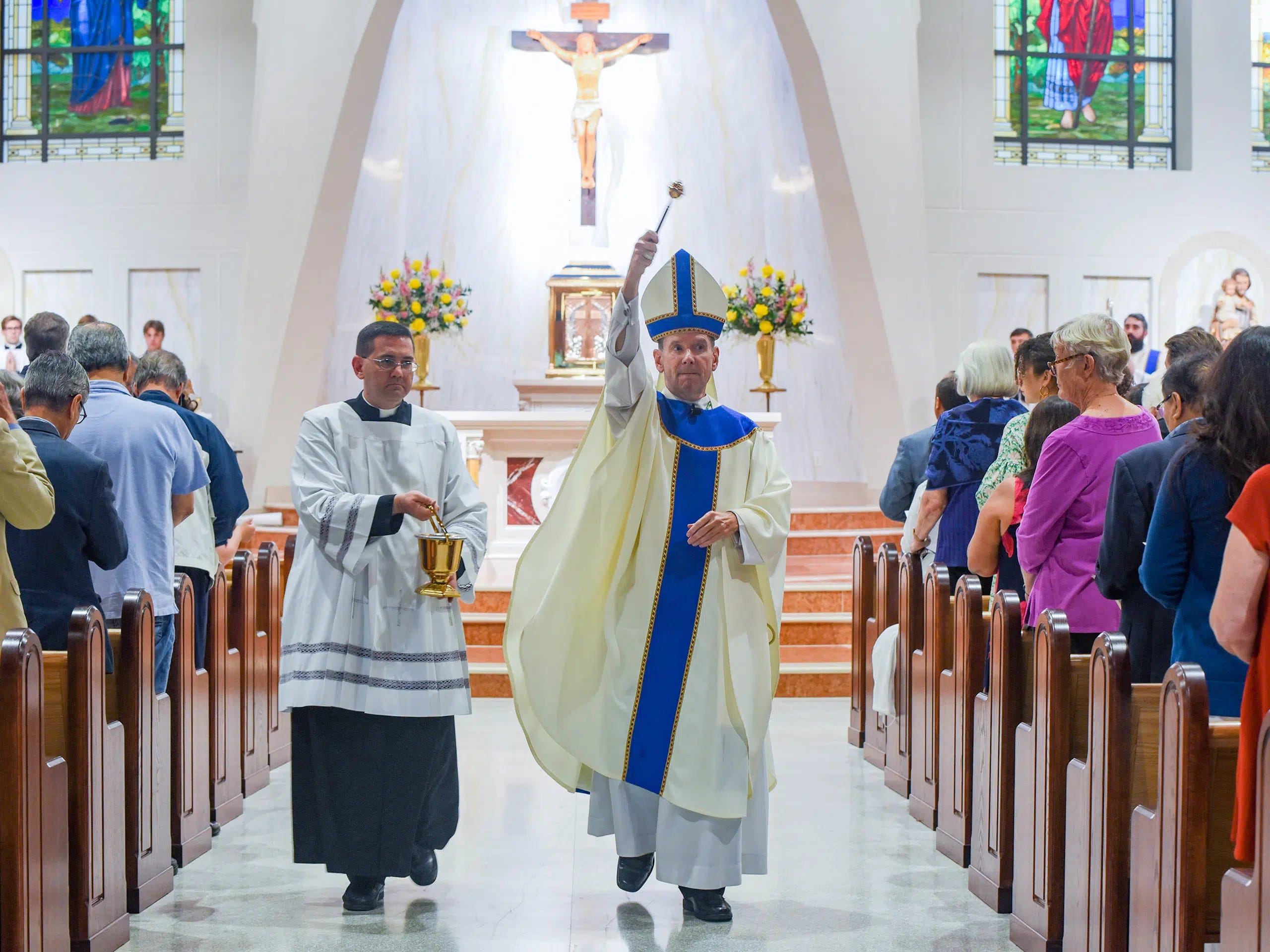
Justification: Rome’s Sacramental Process vs. The Gospel’s Finished Work
By Robert Rousseau, Candlefish Ministries
“A man is justified by faith apart from the deeds of the law” (Romans 3:28, NKJV).
At Candlefish Ministries, we proclaim Christ’s truth in a world of spiritual confusion, equipping believers for the Blessed Hope (Titus 2:13). As a Marine Corps veteran, discipline under pressure was my foundation—yet health crises taught me to trust Christ’s finished work, not human effort (Psalm 30:2). In 2025, as debates around ecumenism roil platforms like X, the stark contrast between Rome’s justification doctrine and the clear gospel of Scripture demands clarity. The Catechism of the Catholic Church (CCC) presents a sacramental process; the Bible declares a divine gift. How does this truth shape your faith? Share below!
✡️ Opening Contrast: Two Views of Justification
The Catechism of the Catholic Church (CCC §§1987–2029) outlines justification as a sacramental journey: grace infused at baptism (§1992), maintained by merit-bearing cooperation (§2007), and administered by the institutional Church (§1996). This system blends justification and sanctification, making salvation a progressive cooperation with divine grace.
In contrast, the gospel declares justification as a forensic act—God imputing Christ’s righteousness to sinners instantaneously through faith alone (Romans 4:5; 2 Corinthians 5:21). The tension is more than theological; it impacts assurance, evangelism, and our eternal standing. As dispensational believers, we hold Scripture as the final authority (2 Timothy 3:16-17), rejecting any system adding to Christ’s completed work (Hebrews 10:14).
📜 1. Rome’s Framework: Examining Key CCC Claims
Direct Quotes with Analysis
Infused Righteousness:
“Justification includes the sanctification of [man’s] whole being” (§1995).
→ By merging justification (legal standing) with sanctification (growth in holiness), Rome confuses Paul’s distinction (1 Corinthians 1:30). Justification is a verdict, not a process.Sacramental Necessity:
“Baptism is the principal place for the first and fundamental justification” (§1992).
→ While baptism is a commanded sign, Scripture roots salvation in faith (Acts 16:31), with baptism following belief—not initiating it.Human Merit:
“Moved by the Holy Spirit, we can merit for ourselves and others… the graces needed for eternal life” (§2010).
→ This contradicts Ephesians 2:8–9’s “not of works, lest anyone should boast” (NKJV), suggesting human effort contributes to salvation.Progressive Justification:
“Justification… conforms us more and more to the righteousness of God” (§2019).
→ This implies an ongoing process, clashing with Christ’s “once for all” sacrifice (Hebrews 7:27), which secures eternal perfection.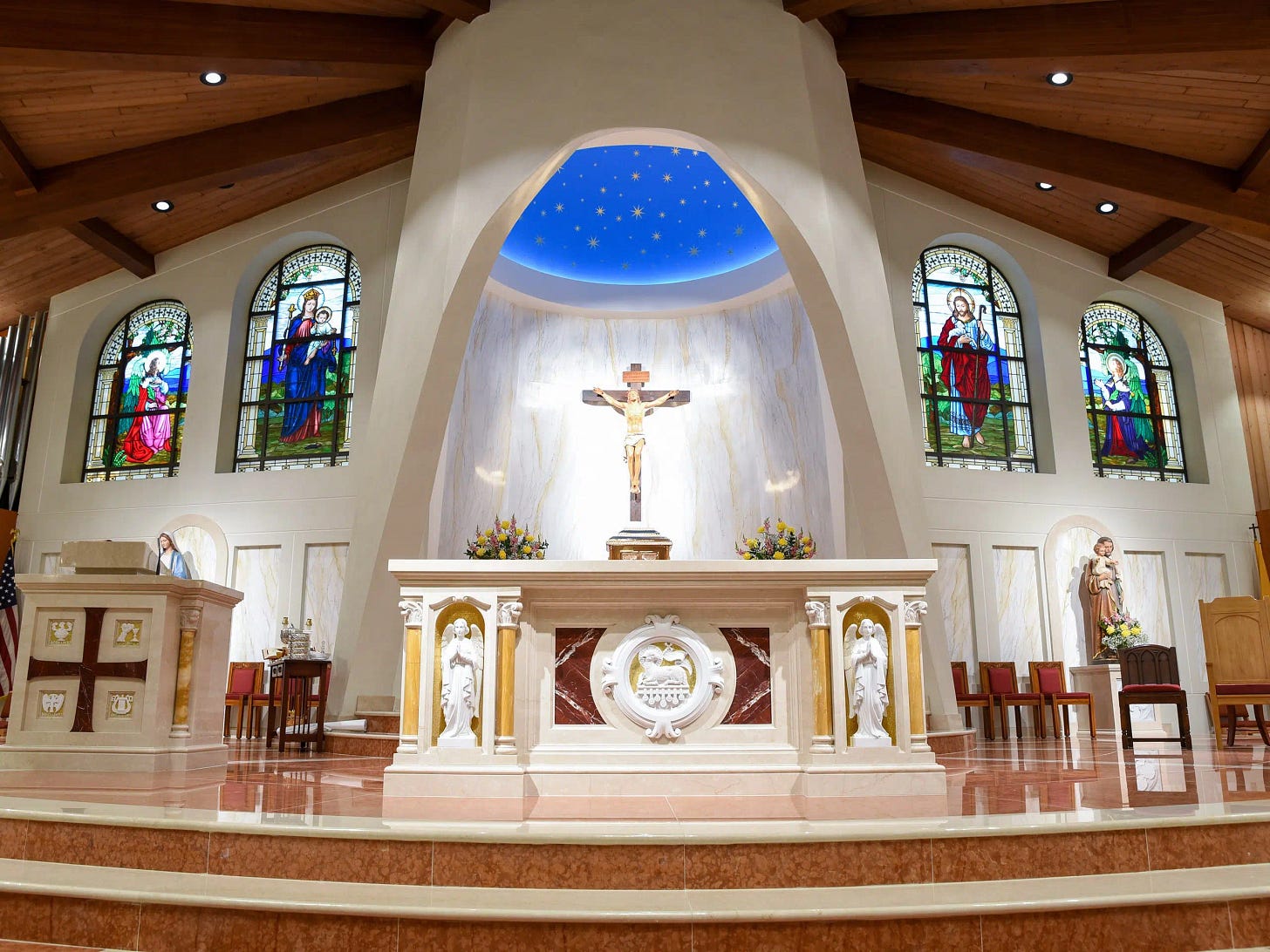
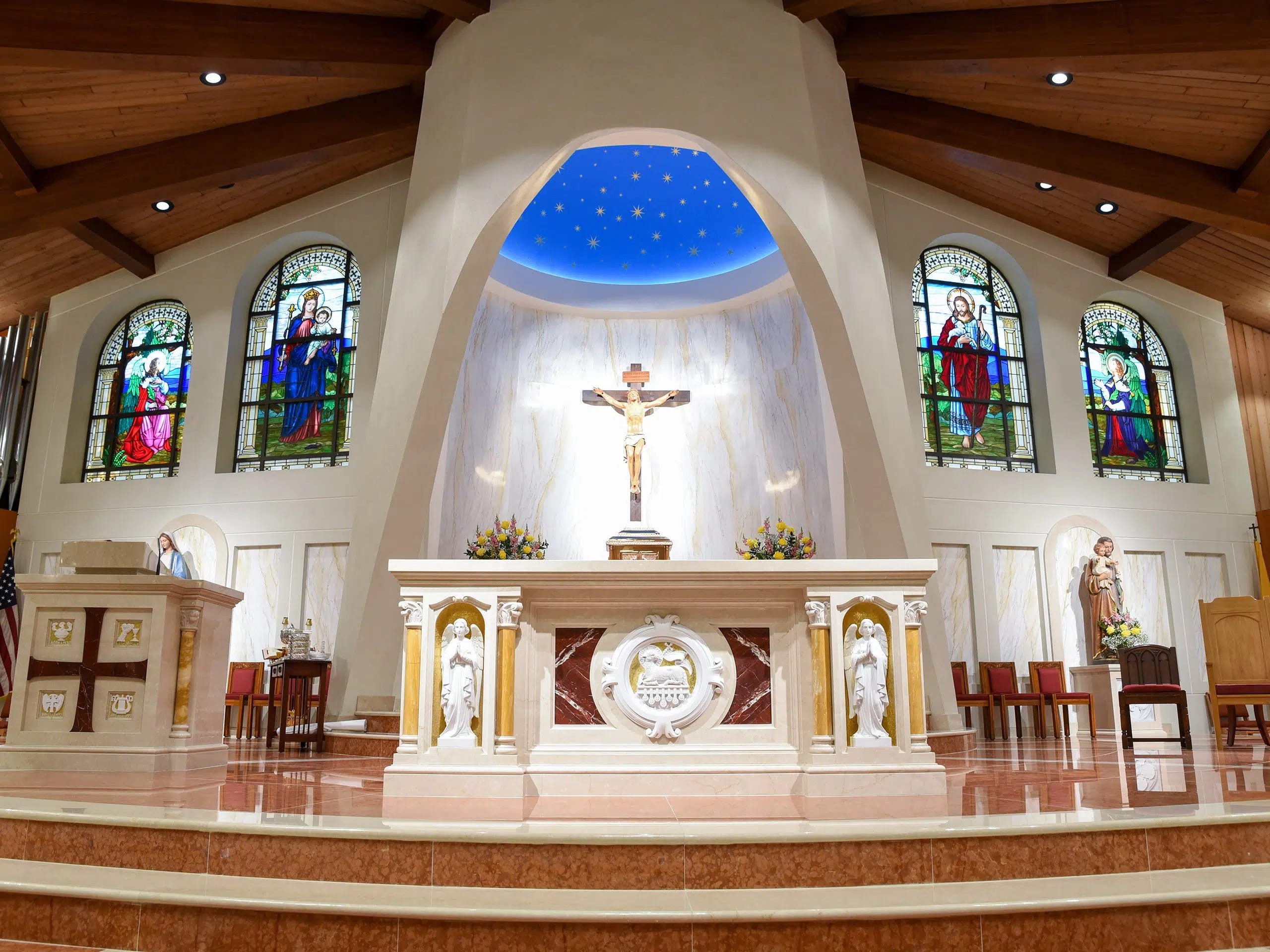
These claims trace to medieval theology, formalized at Trent (1547), blending grace with works—a framework Scripture rejects (Romans 11:6).
🔥 2. Scripture’s Forensic Gospel: Verse-by-Verse Clarity
A. Romans 3:21–26
Text: “The righteousness of God… through faith in Jesus Christ… whom God set forth as a propitiation by His blood” (NKJV).
Analysis:
Dikaioo (“justify”) is a legal declaration: God pronounces the sinner righteous (Luke 18:14).
Propitiation (hilasterion) satisfies God’s wrath fully (contrast CCC §1367’s repeated Mass).
Context: Paul addresses Jews relying on law, not sacraments (Romans 3:20), emphasizing faith’s sufficiency.
B. Hebrews 10:10–14
Text: “By one offering [Christ] has perfected forever those who are being sanctified” (NKJV).
Analysis:
Ephapax (“once for all”) negates ritual repetition (Hebrews 9:12), securing eternal justification.
“Perfected forever” assures completion, not CCC’s progressive model (§2019).
Implication: Christ’s priesthood renders human mediation unnecessary (Hebrews 7:25).
C. Romans 4:4–5
Text: “To him who does not work but believes… his faith is counted as righteousness” (NKJV).
Analysis:
Abraham’s justification predates circumcision (a sacrament), affirming faith alone (Genesis 15:6).
“Not work” excludes merit, aligning with Titus 3:5’s “not by works of righteousness” (NKJV).
Application: Faith, not rites, saves (Galatians 3:6-7).
D. Galatians 2:16
Text: “A man is not justified by the works of the law but by faith in Jesus Christ” (NKJV).
Analysis:
Paul refutes Judaizers—mirroring Rome’s sacramentalism—insisting faith alone justifies.
Context: Early church debates echo 2025’s ecumenical tensions on X.
🌍 3. Historical Tensions: From Trent to Today
Medieval Theology: Aquinas solidified infused grace tied to sacraments; the Council of Trent (1547) codified this, condemning sola fide in Canon 9.
Reformation: Luther’s alien righteousness (Christ’s imputed, not infused) restored forensic justification. Calvin echoed, “We are justified not by works but by faith” (Institutes, 3.11.1). This is the legacy Candlefish Ministries carries forward—the torch of Reformation truth held by faithful witnesses, like my Huguenot ancestors, who stood on sola fide even under persecution.
2025 Reality: X posts like @CatholicTruth (Oct. 5, 2025) defend Trent, while @ReformedVoice challenges sacramentalism—echoing the 16th-century divide.
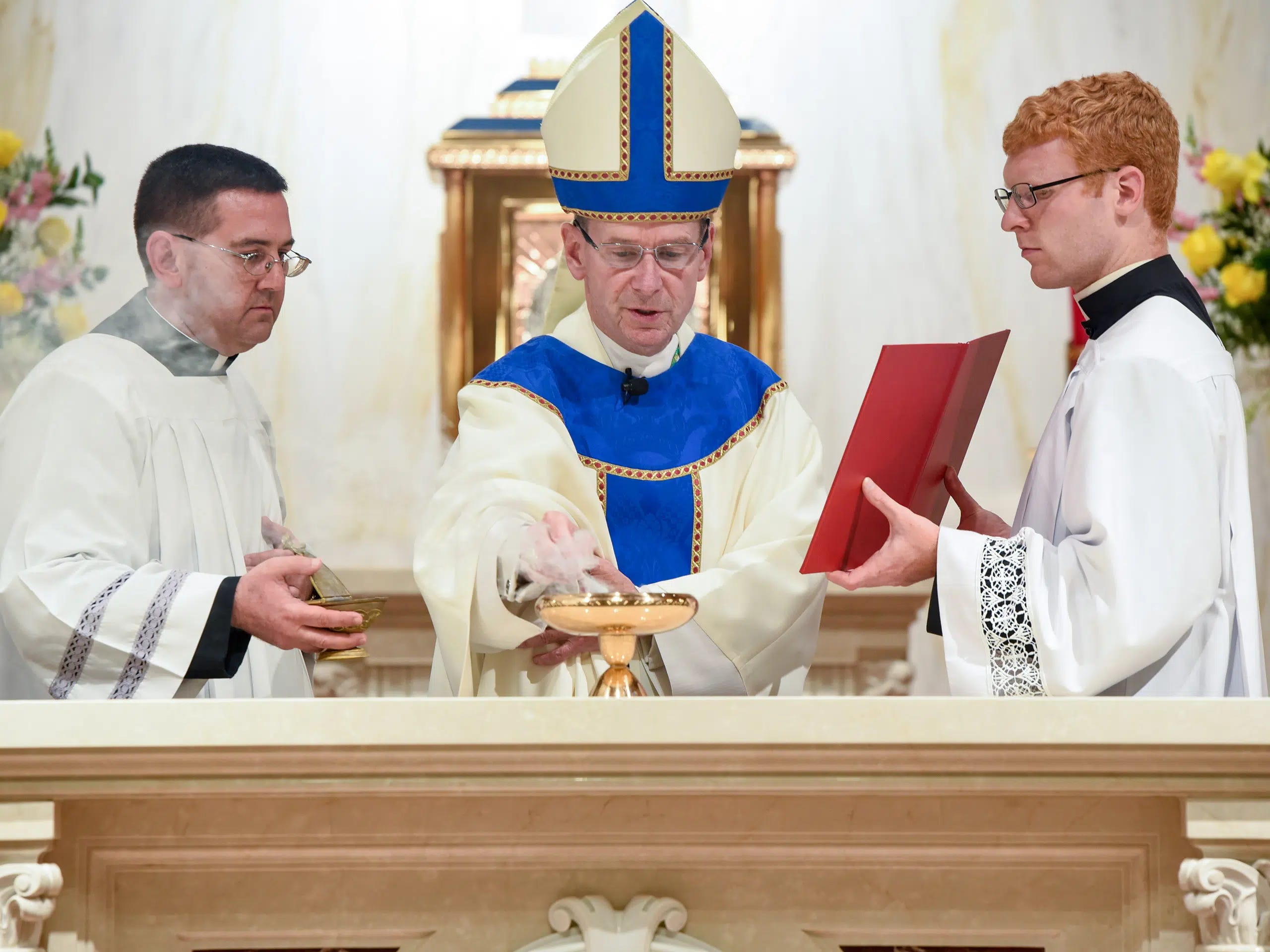
🙏 4. Pastoral Dangers of Rome’s View
Assurance Threatened: If justification depends on sacraments and merit, how can one be sure? Scripture promises assurance in Christ alone (1 John 5:13). My health crisis cemented reliance on Christ’s finished work—a peace no sacrament could give (Psalm 30:2).
Evangelism Burdened: Layered demands (believe and be baptized and merit) obscure Acts 16:31’s simplicity, burdening the lost.
Legalism Reintroduced: CCC §2010’s merit risks bondage, breaking Galatians 5:1’s call to freedom.
✨ 5. Corrective Emphases for Believers
Separate the Verdict from the Process: Justification is your legal standing (Romans 5:1); sanctification is your growth in holiness (1 Thessalonians 4:3).
Clarify the Source of Reward: Rewards are a result of salvation (1 Corinthians 3:14-15), not the grounds for it (Philippians 3:9).
See Sacraments as Signs, Not Causes: They are signs of grace (Romans 4:11), activated by faith, not causes of it (Galatians 3:2).
📖 Gospel Invitation
If you trust sacraments or self-effort, hear Christ’s cry:
“It is finished!” (John 19:30, NKJV).
Receive His righteousness freely by faith today (Romans 10:9-10, NKJV). Turn from process to promise.
💬 Discussion Prompt
How does the Catholic view of justification impact your assurance in 2025? How can we proclaim the gospel simply and clearly? Share charitably below!
🔗 Quick Resources
Romans 3:28; Hebrews 10:10; Ephesians 2:8-9; Titus 3:5.
Luther, The Bondage of the Will (1525); Calvin, Institutes of the Christian Religion (1536); CCC §§1987–2029.
🌟 Conclusion: Act Now!
Rome’s sacramental process leads to uncertainty; the gospel’s finished work offers assurance (John 5:24, NKJV). Time is short (Revelation 22:20). Let us stand, therefore, on the rock of His Word, not the shifting sand of human merit. The Blessed Hope (Titus 2:13) nears—be ready!
Let there be light.
Candlefish Challenge
Reflect Now: Are you resting fully in Christ’s righteousness? (2 Corinthians 13:5)
Pray This Instant: Cry out for grace (Romans 10:13) or boldness to share.
Move Today: Speak gospel truth this week (Mark 16:15). The harvest is ripe (Matthew 9:37)!
In Christ and for His imminent return,
Robert Rousseau
Candlefish Ministries
“The light shines in the darkness, and the darkness has not overcome it.” (John 1:5)
Subscribe to “God’s Prophetic Tapestry” for truth, prophecy, and gospel—before it’s too late!
All verses from the NKJV unless otherwise noted. Sources: Luther, M., The Bondage of the Will (1525); Calvin, J., Institutes of the Christian Religion (1536); CCC §§1987–2029. Tags: #CandlefishMinistries #BlessedHope #SolaScriptura #GospelTruth #EndTimes #FaithAlone #PropheticVoice
All verses from the NKJV unless otherwise noted.
As a former catholic I really enjoyed reading this!
I don’t know a lot about different church doctrines or their guided paths to salvation or omnipotent control over access to the lord? I’m not against organized religion I believe it was influential in spreading Christ message and love and can be again.
I believe the Pentecost instilled the ability for all to be infilled by the spirit did it not?
When Jesus hung on the cross beside two thieves. One called him Lord and believed. I’m assuming he was unbaptized, at that moment he had faith and was repentant of his sins? What was Christs response.
Luke 23 42-43
Jesus, remember me when you come into your kingdom". Jesus replies, "Assuredly, I say to you, today you will be with in paradise.”